


Why Electric Vans Are Becoming an Increasingly Common Sight on UK Roads
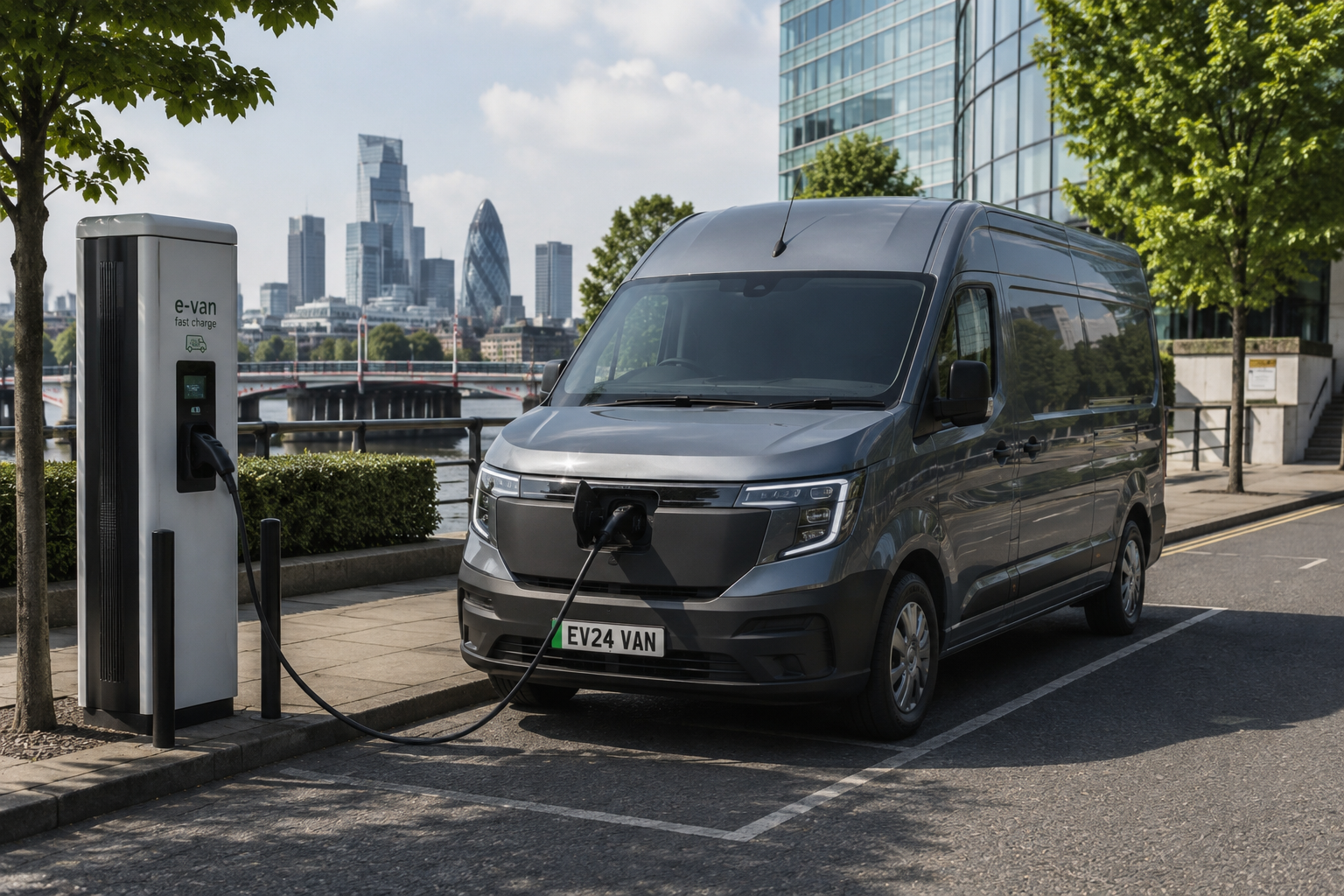
Why Electric Vans Are Becoming an Increasingly Common Sight on UK Roads
When electric vehicles are discussed, attention usually centres on passenger cars.
Much of the conversation focuses on battery-powered family cars, charging infrastructure and the latest developments from leading EV manufacturers.
Away from the headlines, however, another significant change is taking place.
Electric vans are becoming an increasingly familiar presence on Britain's roads, with businesses across a wide range of industries recognising the benefits they can offer.
Recent sales figures suggest this shift is gathering pace.
Record Demand Signals a Changing Market
The latest market data shows that the UK's used electric van market has reached an important milestone, with monthly sales exceeding 1,000 vehicles for the first time.
What's particularly notable is that this new record followed another record-breaking month only weeks earlier, suggesting demand continues to strengthen.
Only a few years ago, many businesses remained cautious about electric vans.
Higher purchase prices, concerns over charging infrastructure and uncertainty about battery range meant diesel remained the preferred option for many operators.
Today, the landscape is beginning to look very different.
Growing Confidence Among Fleet Operators
Commercial vehicle buyers generally focus on practicality above all else.
Reliability, running costs and operational efficiency often carry more weight than adopting the latest technology simply because it's new.
As battery performance has improved and public charging networks have expanded, many businesses have found that electric vans are well suited to predictable working patterns.
Delivery companies, tradespeople, maintenance providers and local service businesses often cover consistent daily routes that fit comfortably within the capabilities of modern electric vans.
As a result, electric vehicles are increasingly being viewed as practical business tools rather than emerging technology.
Manufacturers Continue to Expand Their Ranges
Vehicle manufacturers have responded quickly to growing demand.
Many established brands have broadened their electric van line-ups, while newer manufacturers have identified commercial vehicles as a major growth area.
Strong customer demand has even resulted in waiting lists and limited availability for certain electric van models—something that would have seemed unlikely only a few years ago.
Greater competition is also giving businesses a wider choice of vehicle sizes, payload capacities and driving ranges than ever before.
The Shift Extends Beyond the UK
Britain is not alone in adopting electric commercial vehicles.
Across Europe, manufacturers continue to invest heavily in electric van technology, encouraged by tightening emissions legislation, corporate sustainability goals and increasing customer demand.
Registration figures from a number of European markets continue to show steady growth in electric commercial vehicles, highlighting a broader move towards lower-emission transport.
Although the pace of adoption differs between countries and industries, the long-term trend appears firmly established.
What Does This Mean for Commercial Vehicle Insurance?
Electric vans introduce several considerations that differ from traditional diesel-powered vehicles.
Repair techniques, battery systems, specialist replacement parts and technician expertise can all influence claims costs and underwriting decisions.
As more electric vans enter service, insurers gain access to larger volumes of real-world data, allowing them to develop a better understanding of repair costs, risk profiles and pricing.
The industry has already experienced a similar learning curve with electric cars, and many insurers now offer products specifically designed for electric vehicles.
The same evolution is expected to continue as electric van ownership grows.
Looking Towards the Future
Perhaps the most interesting aspect of the electric van market is how rapidly perceptions have changed.
Only a few years ago, many businesses questioned whether electric vans were capable of meeting everyday operational demands.
Today, record sales suggest they are becoming an increasingly mainstream choice for commercial fleets.
Diesel vans are likely to remain an important part of the transport sector for many years to come, but the momentum behind electrification continues to build.
Performance Direct continues to monitor developments across the commercial vehicle market as new technologies reshape the way businesses operate. Understanding these emerging trends helps ensure drivers and fleet operators have access to insurance solutions that evolve alongside the vehicles they rely on every day.
The transition to electric vans may be happening quietly, but its impact on Britain's roads is becoming harder to overlook with every passing year.
