


Motorhome Winter Storage: Essential Checks Before You Park Up
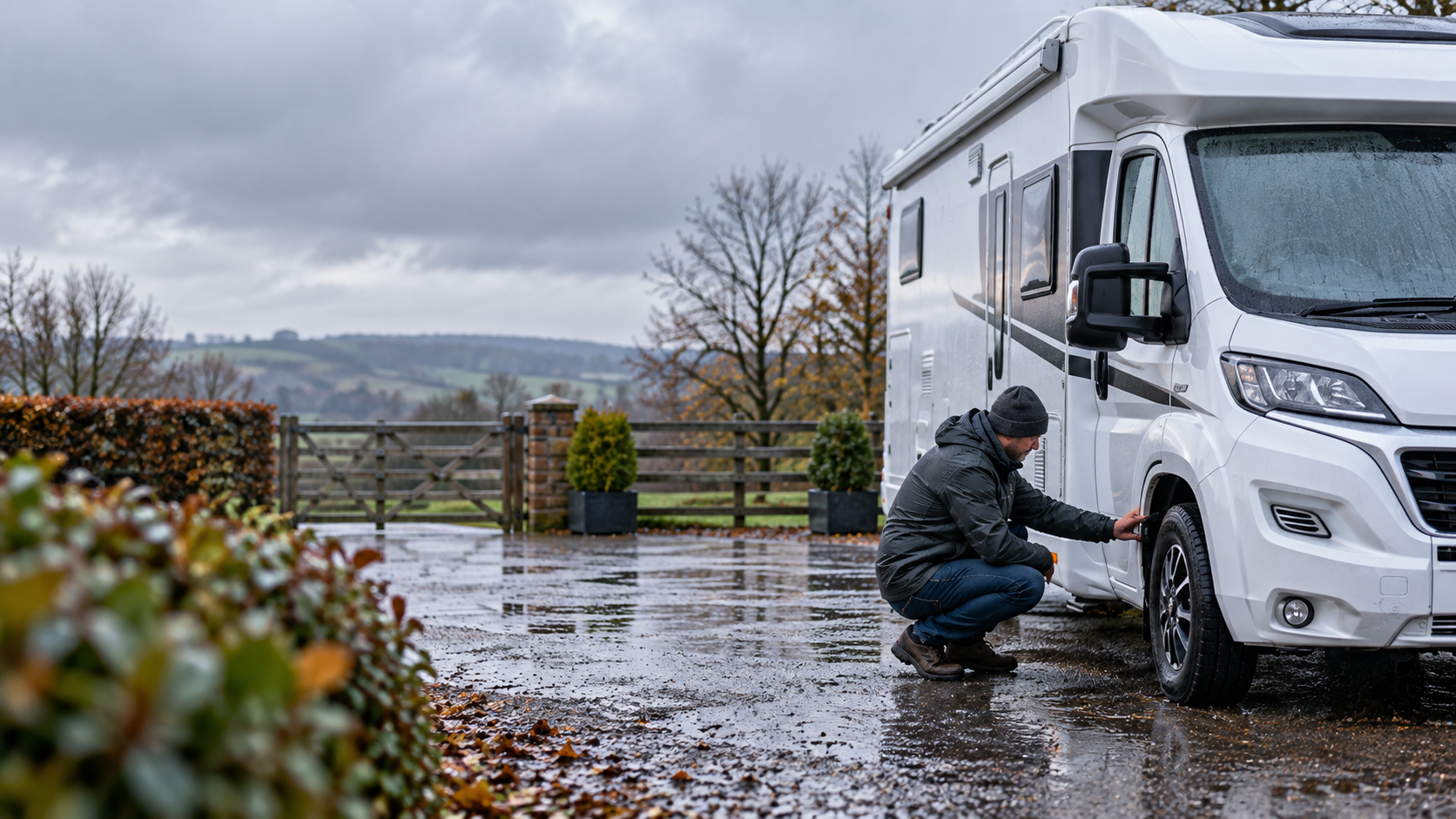
As the touring season draws to a close, many motorhome owners will be preparing to put their vehicles away until the warmer weather returns.
After months of travelling, it's easy to give your motorhome a quick clean, remove your belongings and leave it parked until the next adventure. However, spending a little extra time preparing it for winter could help prevent expensive problems when spring arrives.
From cracked windscreens and water leaks to frozen pipes and theft, there are several things worth considering before your motorhome goes into storage.
At Performance Direct, our experience arranging specialist motorhome insurance means we understand how seemingly minor issues can develop into more serious problems when a vehicle is left unused for several months.
Here are some important checks to carry out before putting your motorhome away for winter.
1. Deal with windscreen damage before storage
Before parking up your motorhome, take a close look at the windscreen.
Even a small stone chip can develop into a larger crack, particularly when temperatures fluctuate during the colder months. Changes in temperature can place additional stress on glass that is already damaged.
A chip that could have been repaired before winter may become a more expensive problem by the time you return to your motorhome in spring.
Inspect the windscreen carefully and arrange for any damage to be assessed and repaired where appropriate.
2. Inspect your motorhome for water ingress
Water entering a motorhome can cause significant damage, particularly when it goes undetected for an extended period.
With numerous windows, rooflights, doors, vents and external fittings, there are several potential places for rainwater to find its way inside.
Before storing your motorhome, check around these areas for signs of damage or deteriorating seals.
Inside the vehicle, look out for:
Damp patches or discolouration on walls and ceilings.
Musty smells or visible mould.
Soft areas around panels, floors or furnishings.
Signs of water around windows, rooflights and doors.
External seals should also be inspected for cracks, gaps or deterioration.
What begins as a small leak can cause extensive damage to insulation, interior panels, furniture and electrical components if left throughout months of winter rain.
Identifying and addressing potential leaks before storage could help you avoid discovering a much larger problem when you next use your motorhome.
3. Prepare the water system for freezing temperatures
One of the most important aspects of winterising a motorhome is making sure its water system is properly prepared.
Water remaining in pipes, tanks, taps and pumps can freeze when temperatures fall. As it freezes, it expands, potentially causing damage to plumbing and other components.
Follow the winterisation guidance provided by your motorhome manufacturer and drain the appropriate water systems thoroughly.
It's also sensible to review your motorhome insurance documents before storage.
Some policies include specific winterisation conditions or requirements when a motorhome is left unused for an extended period. Understanding these requirements can help you avoid problems if you subsequently need to make a claim.
4. Check tyre condition and pressures
Your motorhome may be stationary throughout winter, but its tyres will continue to support the weight of the vehicle.
Prolonged periods without movement make it particularly important to ensure your tyres are in good condition before storage.
Inspect each tyre for cuts, cracking, bulges and signs of uneven or excessive wear.
Check the pressures and follow the vehicle and tyre manufacturers' recommendations for prolonged storage.
Remember to inspect your tyres again before your first journey of the new touring season. Several months parked in one place doesn't necessarily mean they will be ready for the road without further checks.
5. Review your motorhome's security
Motorhome theft remains an important consideration even when a vehicle is not being used.
A motorhome left in the same location for several months, particularly somewhere that is unattended for long periods, can present an opportunity for thieves.
The National Vehicle Crime Intelligence Service (NAVCIS) has warned that motorhomes and caravans can be targeted while in storage, including at facilities marketed as secure.
It's therefore worth reviewing both the security of your storage location and the measures protecting your vehicle.
Consider combining several different forms of protection rather than relying on just one.
For example, an alarm and immobiliser could be supported by a steering wheel lock, wheel clamp or tracking device.
Where possible, choose a storage location with additional protection, such as CCTV, good lighting and controlled access.
Before leaving your motorhome, check whether your insurance policy specifies particular security devices or conditions relating to storage.
Some insurers may require certain security measures to be in use whenever the vehicle is unattended, while others may have restrictions or requirements concerning where it is kept.
Ensuring your arrangements meet these conditions is an important part of preparing for winter.
6. Tell your insurer if you're changing storage locations
Are you moving your motorhome somewhere different for the winter?
Perhaps it is normally parked on your driveway but will be kept at a specialist storage facility until spring. Alternatively, you may have changed facilities or arranged to keep it at another address.
Your motorhome's usual storage location can form part of the information used by your insurer when assessing the risk.
If the location recorded on your policy is no longer accurate, contact your insurer or broker before moving the vehicle.
They can confirm whether the change needs to be recorded and whether it affects your existing insurance arrangements.
Don't assume that moving your motorhome to a location you consider more secure automatically means your insurance will remain unchanged.
7. Visit your motorhome regularly during winter
Once your motorhome has been cleaned, secured and prepared for winter, it's tempting to leave it alone until the next touring season.
However, checking on it periodically could help you identify problems before they become more serious.
Whenever possible, visit the vehicle and look for signs of:
Water leaks or damp inside the motorhome.
Storm damage to the bodywork or external fittings.
Changes in tyre condition.
Attempted theft or unauthorised entry.
A small leak discovered shortly after it develops may be much easier to resolve than one that has been left unnoticed for several months.
Regular checks are particularly worthwhile following periods of heavy rain, strong winds or freezing weather.
Don't forget to review your motorhome insurance
Winter preparation isn't just about protecting your motorhome from the weather.
Before putting it into storage, take a few minutes to review your insurance documents and make sure you understand any conditions that apply while your vehicle is unused.
Pay particular attention to requirements concerning storage locations, security devices, windscreen cover and winterisation.
Policy conditions and levels of protection can vary between insurers, so it's important to understand what applies to your particular motorhome.
If you're unsure about any requirements or your storage arrangements have changed, contact your broker or insurer for clarification.
A little preparation now could prevent expensive problems later
Most of these checks don't require a great deal of time, but they could make a considerable difference to the condition of your motorhome when the next touring season arrives.
Our experience supporting motorhome insurance customers has shown how problems that initially appear relatively minor can become much more serious when a vehicle is left unattended for months.
Taking care of windscreen damage, checking for leaks, draining water systems, inspecting tyres and reviewing security arrangements could all help protect your motorhome during winter.
And before you lock the door for the final time this season, one last tip: remember where you put the keys.
You might be certain you'll remember your chosen safe place now, but spring has a habit of proving otherwise!
Ready for Winter? Check Your Motorhome Insurance Too
You've taken care of your motorhome's winter preparations. Now make sure you have suitable insurance in place. Get a competitive motorhome insurance quote from Performance Direct today.
Frequently Asked Questions About Motorhome Winter Storage
Do I need to drain my motorhome's water system for winter?
Yes, if your motorhome could be exposed to freezing temperatures, it's important to drain the appropriate water systems in accordance with the manufacturer's instructions. Water left in tanks, pipes, taps and pumps can freeze and expand, potentially causing expensive damage. Some motorhome insurance policies also contain specific winterisation requirements, so check your documents before putting your vehicle into storage.
Should I disconnect my motorhome battery during winter storage?
This depends on your motorhome, its electrical system and the storage arrangements. Batteries can gradually lose charge when a vehicle is left unused, particularly in colder temperatures. Follow the manufacturer's guidance on battery maintenance, charging or disconnection, taking account of any alarms or tracking devices that need a continuous power supply.
How often should I check my motorhome during winter?
There is no single inspection schedule suitable for every motorhome, but checking your vehicle periodically throughout winter is advisable. Look for water ingress, storm damage, tyre problems and signs of attempted theft. Additional checks following particularly severe weather can help you identify problems before they become more serious.
Can I leave my motorhome insured while it's in storage?
Yes, motorhome insurance can provide protection while your vehicle is in storage, subject to the cover, terms and conditions of your policy. Check that your insurer has accurate information about where the motorhome is kept and that you comply with any security and winterisation requirements. Don't assume every type of damage will automatically be covered.
Do I need to tell my insurer if I move my motorhome into storage?
If you're changing the location where your motorhome is normally kept, contact your insurer or broker. Your storage address can affect the risk information associated with your policy, and the insurer may need to update your details or confirm that the new arrangements are acceptable.
What is the biggest risk when storing a motorhome over winter?
There isn't one single risk that applies to every motorhome. Water ingress, freezing temperatures, theft and damage that goes unnoticed can all cause problems. Thorough preparation, appropriate security and periodic inspections can help reduce the likelihood of discovering unexpected damage when you return to your vehicle in spring.
