


Winter 2026/27: How to Protect Your Home from Storms, Flooding and Freezing Weather
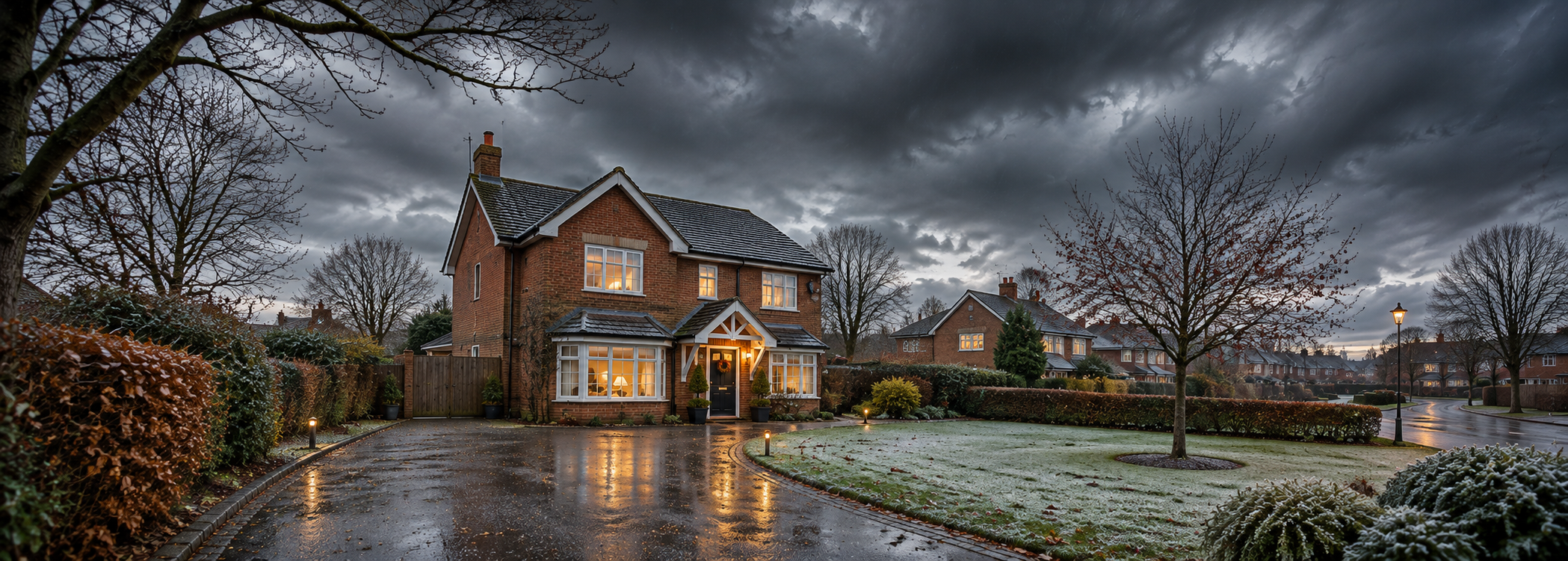
Winter weather can be unpredictable in the UK, but the outlook for 2026/27 is giving homeowners another reason to think ahead.
The Met Office has highlighted the potential influence of an exceptionally strong El Niño event, which could increase the chances of wetter, windier and more unsettled conditions during late autumn and early winter.
That doesn't mean the UK is guaranteed to experience damaging storms or widespread flooding. However, it does reinforce the importance of preparing your property for the colder months.
Whether it's a blocked gutter, a loose roof tile or a frozen water pipe, relatively small maintenance issues can become expensive problems when severe weather arrives.
According to the Association of British Insurers (ABI), insurers paid out £1.2 billion for weather-related property claims in 2025, demonstrating just how costly the consequences of extreme weather can be.
The good news is that there are practical steps homeowners can take to reduce their exposure to winter weather damage.
Could El Niño Make the UK Winter of 2026/27 More Severe?
El Niño may be thousands of miles away, but its influence on global weather patterns can extend as far as the UK.
The phenomenon occurs when ocean temperatures in the central and eastern tropical Pacific become significantly warmer than normal. This affects atmospheric circulation, influencing rainfall, temperatures and storm activity in different parts of the world.
In September 2026, the Met Office reported that the developing El Niño had exceeded previous observational records, making it the strongest event recorded.
Its seasonal forecast suggested that the probability of warmer and wetter conditions across the UK during autumn was approximately one-and-a-half to two times higher than usual.
The outlook also indicated an increased likelihood of windy conditions as the season progressed.
What Could This Mean for UK Homeowners?
Historically, El Niño has been linked with several possible changes to British winter weather:
More frequent periods of heavy rainfall: Wetter conditions could increase the likelihood of surface water flooding and drainage problems.
Stronger winds and unsettled weather: A greater chance of stormy conditions could put additional pressure on roofs, fences and other exposed parts of a property.
Relatively mild conditions earlier in winter: Temperatures may be higher than average during some periods, although this doesn't eliminate the risk of frost.
An increased possibility of colder spells later in the season: Changes in atmospheric circulation could contribute to periods of freezing weather as winter progresses.
It's important to remember that these are potential influences rather than definite predictions.
El Niño is only one element affecting the UK's weather, and seasonal forecasts cannot tell us precisely when storms, flooding or cold spells might occur.
Nevertheless, preparing for a range of winter conditions is a sensible precaution, particularly when the seasonal outlook suggests a greater possibility of unsettled weather.
Why Winter Weather Damage Can Be So Expensive
The financial consequences of severe weather extend far beyond the immediate inconvenience of a damaged roof or flooded room.
Figures published by the Association of British Insurers in February 2026 reveal the scale of property damage experienced during the previous year.
In 2025, insurers paid £6.1 billion in property insurance claims, the highest annual amount recorded by the ABI.
Of this, £1.2 billion related to weather-related property damage, representing a 14% increase compared with 2024.
The figures also reveal the significant costs associated with individual weather events.
£312 million in domestic flood claims: Flood-related payouts increased by 38% compared with the previous year.
£30,000 average domestic flood payout: The average amount paid to homeowners following flooding increased by 60%.
£244 million in domestic storm claims: Storm damage to homes accounted for a substantial proportion of weather-related claims.
£2,450 average storm damage payout: Even relatively localised storm damage can generate considerable repair costs.
These figures highlight why property maintenance, preparation and appropriate home insurance protection are so important.
Although insurance can help homeowners recover financially from covered events, preventing avoidable damage is generally preferable to dealing with the disruption of a claim.
Here are seven ways to help prepare your property for the months ahead.
Seven Essential Ways to Prepare Your Home for Winter
1. Inspect Your Roof for Damage and Weak Points
Your roof provides one of the most important barriers against winter weather, yet problems can develop gradually without being immediately noticeable.
Strong winds may dislodge tiles or expose areas where materials have deteriorated. Heavy rainfall can then find its way through these weaknesses, potentially damaging ceilings, insulation and internal walls.
Before winter conditions worsen, take some time to inspect your roof from a safe position at ground level.
Look out for:
Missing, cracked or displaced roof tiles.
Loose or damaged flashing around chimneys and roof joints.
Visible deterioration around the roofline.
Damaged ridge tiles or other exposed roofing materials.
Damp patches, water staining or signs of previous leaks inside your loft.
You should never climb onto a roof without the appropriate equipment and expertise. If something appears damaged or insecure, arrange for a qualified roofing contractor to investigate.
Addressing a minor defect early could prevent more extensive repairs if your property is subsequently exposed to heavy rain or strong winds.
Insurance consideration: Home insurance typically provides protection against damage caused by specific insured events, such as storms. It does not generally cover the cost of correcting problems caused by ageing materials, gradual deterioration or a lack of maintenance.
2. Keep Gutters, Downpipes and Outside Drains Clear
Autumn leaves, moss and debris can build up surprisingly quickly, particularly in properties surrounded by trees.
When gutters or downpipes become obstructed, rainwater may overflow instead of being directed safely away from the building.
Over time, this can contribute to water running down external walls, penetrating vulnerable areas or collecting around the foundations.
Before periods of prolonged rainfall, it's worth checking the drainage around your property.
Your winter drainage checklist:
Remove accumulated leaves and other debris from accessible gutters.
Check that downpipes are securely attached and functioning correctly.
Clear external gullies and surface water drains of obvious obstructions.
Look for signs that rainwater is overflowing or flowing towards the building.
Investigate areas where water regularly collects after heavy rainfall.
If drainage problems have occurred previously, consider whether further investigation or improvements are needed.
For difficult-to-reach gutters or drainage systems, arrange professional assistance rather than attempting potentially dangerous work at height.
Keeping rainwater flowing freely is a relatively straightforward maintenance measure that could help prevent avoidable damage during wet weather.
3. Understand Your Property's Flood Risk
Many homeowners associate flooding with properties close to rivers or coastlines.
However, surface water flooding can affect homes in locations with no obvious nearby watercourse.
Intense or prolonged rainfall can overwhelm drainage networks, causing water to accumulate on roads, driveways and surrounding land.
This means that even properties outside traditional flood-risk areas may be vulnerable under certain conditions.
The Environment Agency provides free online tools that can help homeowners in England understand their potential exposure.
You can use the Government's long-term flood risk checker to investigate the risk of flooding from rivers, the sea and surface water.
The information provides an assessment of flood risk within an area, rather than a guarantee about whether an individual property will experience flooding.
You can also check current flood warnings and register to receive flood alerts where the service is available.
If your home could be affected by flooding, consider the following precautions:
Store important paperwork, electrical equipment and valuable possessions above areas that might flood.
Keep useful emergency contact numbers somewhere easily accessible.
Familiarise yourself with the safe procedures for isolating electricity, gas and water supplies.
Consider appropriate flood protection measures for vulnerable doors or entrances.
Prepare a basic emergency plan so everyone in your household knows what to do.
Being aware of your flood risk before severe rainfall is forecast can give you more time to take sensible precautions.
4. Secure Your Garden and Outdoor Structures
The garden is another area where relatively minor issues can become more serious during periods of high winds.
Unsecured objects can be blown across gardens and driveways, potentially damaging buildings, vehicles or neighbouring properties.
Items such as wheelie bins, lightweight furniture, children's play equipment and hanging decorations are particularly vulnerable.
Before strong winds are expected, move loose items into a garage, shed or another sheltered location wherever possible.
You should also inspect permanent garden features, including:
Fences and gates: Check for loose panels, weakened posts and damaged hinges.
Sheds and outbuildings: Make sure roofing materials, doors and fixings are secure.
Trees and branches: Look for dead, damaged or overhanging branches that could present a risk.
Outdoor furniture and equipment: Secure larger items that cannot easily be moved indoors.
Where trees require significant pruning or appear unsafe, seek advice from a suitably qualified tree surgeon.
It's also important to understand the limits of your insurance protection.
Although buildings insurance may include cover for certain types of storm damage, not every outdoor structure or feature is necessarily protected.
Fences and gates, for example, are frequently subject to storm damage exclusions.
Check your policy wording to understand which outdoor structures are covered and whether any specific restrictions apply.
5. Protect Water Pipes Against Freezing Temperatures
A relatively mild start to winter doesn't necessarily mean freezing weather can be ruled out later.
Even a short period of sufficiently low temperatures can cause problems for exposed or poorly insulated water pipes.
When water freezes inside a pipe, it expands. The resulting pressure can cause the pipe or its connections to crack or split.
In some cases, the damage only becomes apparent when temperatures rise and the frozen water begins to thaw.
Escaping water can then spread through floors, ceilings and walls, potentially damaging furniture, electrical equipment and personal belongings.
Fortunately, there are several steps you can take to help reduce the risk.
Insulate vulnerable pipework: Pipes in lofts, garages, outbuildings and other unheated spaces are particularly exposed. Suitable pipe insulation can help protect them against freezing conditions.
Check water tanks and external taps: Make sure exposed water tanks and outside taps are appropriately protected. Consider whether external water supplies need isolating and draining before freezing weather.
Arrange heating maintenance: Check that your heating system is functioning correctly before temperatures drop. Address any known faults promptly rather than waiting until the coldest part of winter.
Know where your stopcock is located: Find your property's main water shut-off valve and make sure you know how to operate it. Being able to stop the water supply quickly could significantly limit damage if a pipe bursts.
Deal with existing plumbing problems: Dripping taps, leaking pipe connections and other plumbing defects should be investigated and repaired before they develop into more serious issues.
Taking these precautions can be particularly valuable if your property has areas that are difficult to heat or pipes that have frozen during previous winters.
6. Take Extra Precautions If You're Away Over Christmas
Christmas and New Year are popular times for visiting relatives or taking a winter break.
However, leaving a property empty during cold or unsettled weather can introduce additional risks.
A burst pipe, damaged roof or water leak may go unnoticed for several days, potentially allowing the resulting damage to become considerably worse.
If you're planning to be away, prepare your home before you leave.
Consider maintaining a suitable indoor temperature. Depending on the conditions and your insurance requirements, leaving your heating on a low setting may help protect vulnerable pipes against freezing.
Check whether the mains water should be turned off. This may reduce the consequences of a plumbing failure, provided it can be done safely and won't affect heating or other systems that need a water supply.
Arrange for someone to check your property. A trusted neighbour, friend or family member may be able to identify obvious problems while you're away.
Make your home secure. Check that doors and windows are locked, remove deliveries that might accumulate outside and consider using timer switches for lighting.
Review your home insurance conditions. This is particularly important if your property will be unoccupied for an extended period.
Some home insurance policies have additional requirements when properties are left empty, especially during winter.
Depending on the policy, these could include:
Maintaining heating at or above a specified minimum temperature.
Draining the water system or turning off the mains supply.
Arranging inspections at particular intervals.
Complying with restrictions on how long the property can remain unoccupied.
The exact requirements vary between policies, so it is important to check the terms of your own cover.
Preparing properly before travelling can help reduce the likelihood of returning home to an unwelcome surprise.
7. Review Your Home Insurance Before Bad Weather Arrives
Winter preparation isn't just about maintaining your property. It's also a good opportunity to check whether your insurance still meets your needs.
Standard buildings insurance policies commonly include protection against certain types of storm, flood and escape-of-water damage.
However, the scope of cover, excesses, exclusions and policy conditions can differ significantly between insurers and products.
One particularly important distinction is the difference between damage caused by an insured event and problems that develop gradually.
For example, a roof damaged by a qualifying storm may be covered under a buildings insurance policy.
However, repairing a roof that has deteriorated through age, wear and tear or inadequate maintenance would not normally be covered simply because the defect becomes apparent during bad weather.
Insurers will assess claims against the specific circumstances of the damage and the terms of the policy.
It's also worth considering whether the amount of insurance you have remains appropriate.
Ask yourself:
Have you extended or substantially renovated your property?
Have you made improvements that could affect the cost of rebuilding your home?
Have you purchased furniture, electronics or other valuable possessions that might increase the contents cover you need?
Have there been changes to how your property is occupied or used?
Do you understand the excesses and exclusions that apply to weather-related claims?
Changes to your home or circumstances may mean your insurance requirements have changed since you originally purchased your policy.
And remember, specialist home insurance products may operate differently from standard residential policies.
For example, cover for specific risks, including escape of water, may not be available under certain unoccupied property or holiday let policies.
Always check your own policy documents to understand exactly what is and isn't covered.
What Should You Do If Winter Weather Damages Your Home?
Even with careful preparation, some weather-related damage cannot be prevented.
If your property is affected by a storm, flooding or a burst pipe, taking appropriate action promptly may help protect your home and support any subsequent insurance claim.
First, make sure everyone in the property is safe. Avoid entering flooded areas where electrical systems may be affected, and never attempt repairs that could put you at risk.
Where possible and safe, take reasonable steps to prevent further damage. This might include turning off the water supply following a burst pipe or arranging essential emergency repairs.
Photograph the damage before any significant clearing or repair work begins, provided it is safe to do so.
Keep receipts and records of any emergency work, replacement items or other relevant expenses.
You should also contact your insurer's claims team as soon as reasonably possible to explain what has happened and obtain guidance on the next steps.
For Performance Direct customers, use the claims contact details provided in your policy documents or Insurance Account. This helps ensure you're contacting the appropriate claims provider rather than relying on potentially misleading telephone numbers found through online searches.
Remember that any claim will be assessed in accordance with the terms, conditions and exclusions of your policy.
Get Ahead of Winter Before the Weather Changes
The UK may experience periods of mild weather, heavy rainfall, storms or freezing conditions during winter 2026/27.
Although the exceptional El Niño event could influence the likelihood of certain weather patterns, it isn't possible to predict exactly what individual households will experience.
What homeowners can control is how well prepared their property is.
Inspecting your roof, maintaining gutters, checking drainage, protecting exposed pipes and securing outdoor items can all help reduce the risk of preventable damage.
It's also worth making sure that your home insurance reflects your current property and circumstances.
At Performance Direct, we understand how important it is to protect your home and the possessions you've worked hard for.
Whether you're reviewing your existing protection or looking for a new home insurance policy, our team can help you explore the options available.
Prepare your home for winter and make sure you have the right insurance protection in place before the bad weather arrives.
Sources and Further Reading
Met Office – Record-Breaking El Niño Surpasses Previous Benchmarks, 22 September 2026
Met Office – Does a Hot Summer Mean a Cold Winter?, October 2026
GOV.UK – Check the Long-Term Flood Risk for an Area in England
Weather forecasts and insurance statistics referenced in this article are correct as of November 2026. Seasonal forecasts describe the probability of particular weather conditions and do not guarantee specific events. All insurance cover is subject to the terms, conditions, limitations and exclusions of the individual policy.
