


Is Britain's Changing Climate Increasing the Risk of Subsidence?
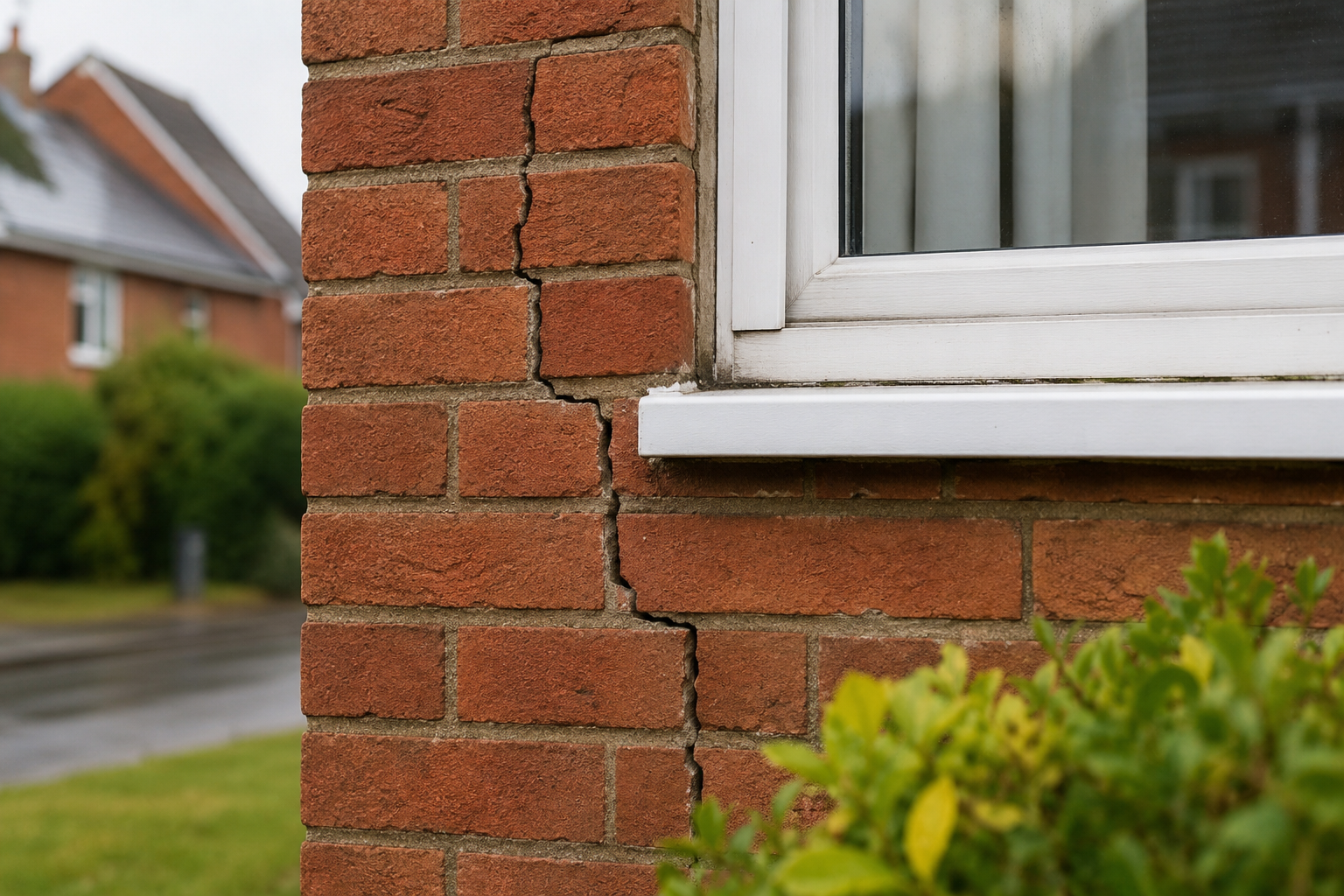
Subsidence & Extreme Weather: How UK Homes Could Be Affected
The British climate has never been known for consistency. One week we're reaching for umbrellas, the next we're searching for shade during an unexpected heatwave.
However, many property owners have started to notice a broader trend. Weather patterns appear to be becoming more extreme, with prolonged dry spells often followed by periods of intense rainfall.
These changing conditions can have a significant impact on homes and buildings. Repeated cycles of drought and heavy rain place additional stress on the ground beneath properties, particularly in areas where clay soils are common. As a result, subsidence is becoming an increasingly important concern for homeowners and insurers alike.
Understanding Subsidence
Subsidence occurs when the ground beneath a property moves downward, causing the foundations to shift and potentially affecting the structure above.
In many parts of the UK, clay-rich soil is a major contributor. Clay naturally expands when it absorbs moisture and shrinks when it dries out. During extended periods of hot, dry weather, the soil can contract considerably. When rainfall returns, the soil swells again. Over time, this repeated movement can place strain on a property's foundations.
Vegetation can also play a role. Large trees and shrubs may draw moisture from the soil during dry conditions, increasing the likelihood of ground movement.
Some common warning signs of subsidence include:
Cracks around windows and door frames
Cracks that appear wider at one end than the other
Doors and windows becoming difficult to open or close
Wallpaper creasing or separating from walls
Uneven or sloping floors in more serious cases
It's important to remember that not all cracks indicate subsidence. Buildings naturally settle and move slightly over time, particularly older properties. However, any sudden changes following periods of extreme weather should be investigated.
Why Weather Extremes Can Increase Risk
The UK has experienced several notably hot and dry summers in recent years, often followed by heavy rainfall and localised flooding.
Climate projections from the Met Office suggest that hotter summers and more intense rainfall events are likely to become increasingly common. For properties built on shrinkable clay soils, this can create greater levels of ground movement than previously experienced.
The insurance industry has already seen the impact. Following the record-breaking heatwave of 2022, insurers reported a significant increase in subsidence-related claims, highlighting the effect prolonged drought conditions can have on residential properties.
That does not mean every home is vulnerable. Factors such as local geology, nearby vegetation, building design and property age all influence risk levels. Nevertheless, homeowners may benefit from paying closer attention to maintenance and insurance protection than in previous decades.
Practical Ways to Help Protect Your Property
While subsidence cannot always be prevented, there are steps that may help reduce the likelihood of problems developing or enable issues to be identified earlier.
Monitor Existing Cracks
Minor cracks are often harmless, but changes can be significant.
If you notice cracking around your property, consider taking photographs periodically so you can compare any developments over time. If cracks become noticeably larger or more severe after dry weather, professional advice may be worthwhile.
Inspect Drains and Water Pipes
Damaged drains or leaking pipework can alter ground conditions around a property's foundations.
Warning signs may include damp areas in the garden, unexpected increases in water bills or recurring drainage issues. Addressing leaks promptly can help minimise the risk of ground instability.
Manage Trees Carefully
Trees provide many benefits, but their roots can remove substantial amounts of moisture from clay soils during dry weather.
That does not automatically make every nearby tree a problem. In fact, removing mature trees without professional guidance can sometimes create new issues by allowing soil to rapidly rehydrate and expand.
If you have concerns, seek advice from a qualified surveyor or arboricultural specialist before taking action.
Stay on Top of Property Maintenance
Heavy rainfall can present its own challenges.
Blocked gutters, damaged roof coverings and faulty downpipes can allow water to penetrate the building fabric, leading to damp issues and potential structural concerns.
Routine maintenance remains one of the most effective ways to protect a home against weather-related damage.
Review Your Home Insurance Policy
Checking your buildings insurance cover regularly is an important part of protecting your property.
Many buildings insurance policies include cover for subsidence, but the excess applied to these claims is often significantly higher than for other types of damage. Certain restrictions may also apply depending on a property's claims history or previous structural issues.
When reviewing your policy, consider checking:
Whether subsidence is included as standard
The level of excess that applies
Cover for garages, driveways and outbuildings
Any exclusions relating to previous subsidence or flooding
What information may be required if a claim is made
Clarifying these details before a problem occurs can help avoid complications if you ever need to claim.
Flood Risk Remains an Important Consideration
The same changing weather patterns that contribute to subsidence can also increase the likelihood of flooding.
After prolonged dry conditions, hard ground may struggle to absorb sudden heavy rainfall efficiently, leading to greater surface water flooding in some locations.
Homeowners in areas vulnerable to flooding may wish to consider:
Regularly clearing drains and gutters
Using water-resistant materials where practical
Keeping valuable possessions above ground-floor level
Reviewing insurance arrangements periodically
Preparation Can Make a Difference
No one can predict exactly what the British weather will do next.
However, understanding how changing weather patterns can affect your property allows you to take sensible precautions. Monitoring your home's condition, carrying out routine maintenance and ensuring your insurance cover remains suitable can all help reduce the impact of unexpected structural problems.
