


What Could a Hotter Climate Mean for Insurance in the UK?
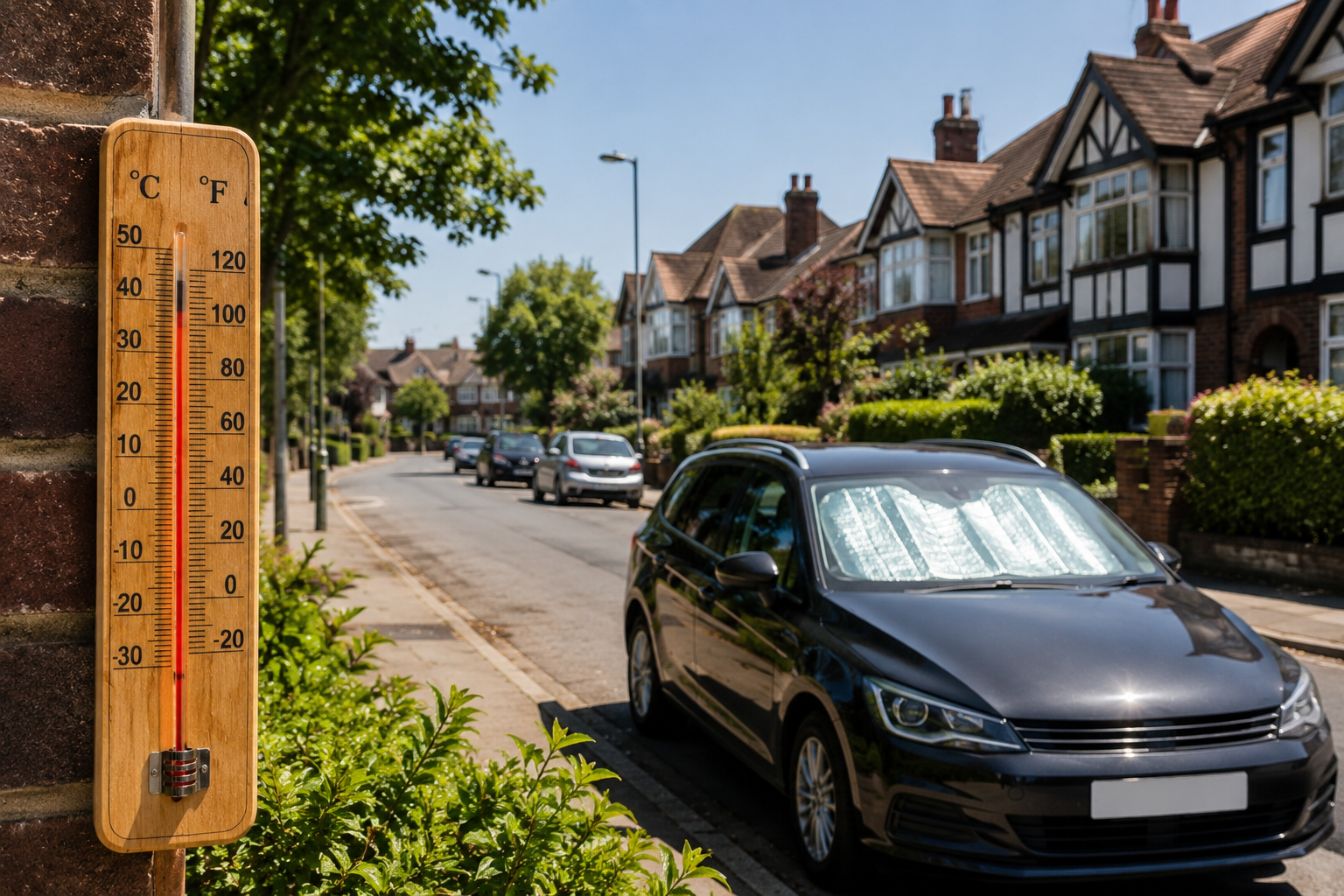
How Could Hotter Summers Change Insurance?
As temperatures climb during another unusually warm British summer, it's natural to wonder whether these conditions are becoming more than just isolated heatwaves.
British weather has always been unpredictable, with sunshine often followed by heavy rain only days later. Even so, increasingly frequent spells of very hot weather are encouraging insurers to consider how future climate patterns could influence the risks people face.
Flooding is often the first issue people associate with climate change and insurance. However, sustained periods of high temperatures can also create a wide range of challenges that affect homes, vehicles and travel.
Homes Face Different Pressures During Heatwaves
Much of Britain's housing stock was built to retain warmth during cold winters rather than cope with prolonged summer heat.
Extended periods of high temperatures can place additional pressure on building materials. Repeated expansion and contraction may accelerate wear, roofing materials can deteriorate more quickly, timber may dry out and shift, while prolonged dry conditions can also affect underground pipework and water systems.
One area attracting significant attention is subsidence.
During lengthy dry spells, clay-rich soils can shrink as moisture levels fall, allowing movement beneath building foundations and increasing the risk of structural damage.
Following the exceptionally hot summer of 2022, the Association of British Insurers reported record levels of subsidence claims, highlighting how prolonged heat can have costly consequences for homeowners.
High Temperatures Can Affect Vehicles Too
Modern vehicles are engineered to cope with a wide range of conditions, but sustained heat still places additional demands on key components.
Tyres, cooling systems, batteries and air-conditioning units all work harder during hot weather, while road surfaces may soften under prolonged exposure to high temperatures and heavy traffic.
Electric vehicles introduce another consideration.
Although EVs generally perform well during warm weather, their battery cooling systems become increasingly important as temperatures rise.
Most of these issues are maintenance rather than insurance matters, but higher temperatures can contribute indirectly to breakdowns, collisions and travel disruption.
Travel Could Become More Unpredictable
Travel insurance has traditionally focused on events such as medical emergencies, cancellations and lost luggage.
However, prolonged periods of extreme heat are beginning to create new challenges for holidaymakers.
Wildfires across southern Europe, disruption to transport networks and temporary closures of popular attractions have become increasingly familiar during recent summers.
While storms and natural disasters have always been recognised travel risks, heat-related disruption is becoming another factor travellers may need to consider.
How Insurers Respond to Changing Risks
Insurance is built on understanding risk.
When particular events become more common or more severe, insurers adjust their assessment models to reflect those changes.
This does not automatically mean insurance premiums will rise sharply.
Modern insurers analyse vast amounts of information and continually adapt their pricing as new evidence becomes available.
However, there is little doubt that long-term weather trends are being monitored closely across the industry.
Global reinsurers—the organisations that provide insurance for insurance companies—have consistently identified climate-related risks as one of the most significant long-term challenges facing the sector.
Could New Risks Emerge?
One of the most interesting questions is whether warmer summers will gradually change the way people live and work.
For example:
Will more people choose to work from home during prolonged heatwaves?
Could demand for home cooling systems and air-conditioning continue to increase?
Will outdoor leisure activities become more common, creating different liability risks?
Might prolonged periods of heat place additional pressure on infrastructure?
While the answers remain uncertain, insurers actively study these emerging trends long before they become mainstream concerns.
Preparing for a Changing Future
No one can predict exactly what future British summers will bring.
The UK is likely to continue experiencing a mixture of sunshine, heavy rain and rapidly changing conditions.
What is becoming increasingly clear, however, is that insurers, governments and homeowners are paying much closer attention to how changing weather patterns influence long-term risk.
Performance Direct continues to monitor developments across the insurance market as environmental conditions evolve. Understanding how risks change over time helps insurers develop products that continue to meet the needs of motorists, homeowners and travellers alike.
The weather may change from one day to the next, but recognising long-term trends is becoming an increasingly important part of protecting people and property for the future.
