


How to Protect Your Vehicle from Keyless Theft
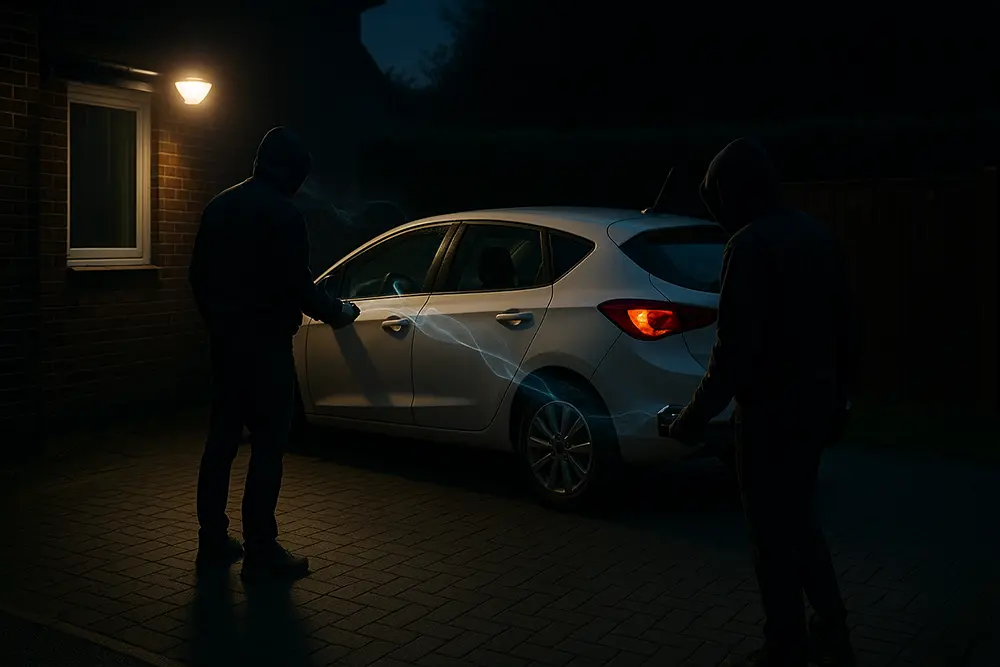
You lock your car, take the keys indoors and expect it to be there the next morning. But for some vehicle thieves, getting hold of the physical key is no longer necessary.
Keyless car theft uses electronic technology to bypass or exploit a vehicle's security systems, potentially allowing criminals to unlock and start a car without breaking a window or forcing a lock.
And although vehicle-related theft has fallen overall in England and Wales, technology-assisted theft remains an important risk for drivers, particularly owners of vehicles with keyless entry and start systems.
So, how does keyless theft work, which vehicles can be vulnerable and, importantly, what can you do to make your car harder to steal?
What Is Keyless Car Theft?
Modern vehicles can use several different types of electronic locking and security system. Some have passive keyless entry and start, allowing the car to detect the key fob nearby without the driver pressing a button, while others use conventional remote central locking.
Classic relay theft primarily targets passive keyless systems. Criminals use electronic equipment to extend the communication between the vehicle and the genuine key fob, potentially making the car believe the key is nearby even when it is inside the owner's home.
This can allow the vehicle to unlock and, on vulnerable models, start without the thief ever having possession of the original key.
Relay attacks are only one form of technology-assisted vehicle theft, however. Criminals may also use other techniques to interfere with remote locking, programme or clone keys, or target a vehicle's diagnostic or electronic systems.
For that reason, protecting a modern vehicle is about more than simply guarding against relay theft.
How Common Is Keyless Car Theft?
Electronic theft remains a significant feature of vehicle crime.
According to the Crime Survey for England and Wales, manipulation of the signal from a remote-locking device was involved in 46.7% of thefts of vehicles in the year ending March 2025, making it the most frequently reported individual method of entry in the survey.
However, it is worth putting this into context. The latest ONS figures show that vehicle-related theft overall has been falling. The Crime Survey for England and Wales estimated around 596,000 incidents of vehicle-related theft in the year ending December 2025, 14% fewer than the previous year.
The message for drivers is therefore not that every keyless vehicle is likely to be stolen, but that electronic theft remains one of the methods vehicle owners need to consider when deciding how to protect their car.
It Isn't Just Relay Theft
The term "keyless theft" is often used interchangeably with "relay theft", but criminals can use other electronic methods too.
Depending on the vehicle, these may include attacks on the car's diagnostic systems or electronic network to gain access, programme another key or bypass elements of the manufacturer's security.
This means keeping your key signal protected is worthwhile, but it should ideally form part of a layered approach to vehicle security, rather than being the only precaution you take.
How to Protect a Keyless Car from Theft
There is no single security measure that can guarantee a vehicle will not be stolen. Combining electronic, physical and practical security measures can, however, make your vehicle more difficult and less attractive to target.
1. Keep keys away from doors and windows
Avoid leaving your main key or spare key close to the front door, windows or the vehicle itself.
The Metropolitan Police recommends keeping keys well away from the car when at home, helping to increase the distance between the fob and anyone attempting to capture its signal.
2. Use a signal-blocking pouch
A Faraday pouch or other suitable signal-blocking container is designed to prevent the key fob from transmitting or receiving the radio signals used in a relay attack.
Remember to protect the spare key as well as the key you use every day.
It is also worth checking periodically that the pouch still works. The Metropolitan Police specifically recommends checking signal-blocking pouches every few months.
An easy test is to place the key inside the pouch and stand next to the vehicle. If the car still unlocks using keyless entry, the pouch may no longer be effectively blocking the signal.
3. Check whether your keyless function can be switched off
Some vehicles allow owners to deactivate the wireless or keyless function when it isn't required.
The way this works varies between manufacturers and models, so check your vehicle handbook or speak to the manufacturer or dealership before changing any settings.
4. Add a visible physical deterrent
Technology does not mean traditional security has become redundant.
A steering wheel lock, pedal lock or other suitable physical security device can create an additional barrier even if somebody manages to unlock the vehicle electronically.
Visible devices can also make it immediately obvious that stealing the vehicle will require additional time and effort.
Police guidance recommends additional physical security such as locks and immobilisers alongside measures designed specifically for keyless theft.
5. Think about where you park
Where possible, park your vehicle in a locked garage, behind secure gates or in a well-lit area.
If you have more than one vehicle on your driveway, consider whether their positioning could make the vehicle you are most concerned about harder to remove.
Motion-sensitive lighting and CCTV may provide another visible deterrent, although neither should be relied upon as the sole form of vehicle security.
6. Make sure the car has actually locked
Don't simply walk away and assume the vehicle has locked.
Check the lights or mirrors if your car provides a visual locking confirmation and, where appropriate, physically check the door.
This can help guard against other forms of vehicle crime as well as keyless theft.
7. Consider additional vehicle security
Depending on your vehicle and the level of risk, additional security could include an approved immobiliser, tracking device or other professionally installed security system.
Always check that any aftermarket equipment is compatible with your vehicle and, where relevant, whether your insurer has specific requirements relating to its installation or use.
Does Car Insurance Cover Keyless Theft?
Whether a theft is covered will depend on the type of insurance you have and the terms, conditions and exclusions of your individual policy.
Comprehensive car insurance will generally include cover for theft, but individual policies can contain security requirements or conditions that must be followed.
If you have a high-value, modified, performance or specialist vehicle, it is particularly important to check whether your insurer requires particular security devices or precautions.
Rather than assuming you are covered in every circumstance, check your policy documentation and contact your insurer or broker if anything is unclear.
Layer Your Vehicle Security
Today's vehicle thieves can use considerably more sophisticated methods than simply forcing a door or breaking a window.
Fortunately, some of the most useful precautions are relatively straightforward.
Keeping keys further inside your home, using an effective signal-blocking pouch, adding a physical steering lock and reviewing your vehicle's existing security can all add extra barriers.
Think of vehicle security in layers: the more obstacles a thief has to overcome, the less straightforward taking your car becomes.
And while you are reviewing your vehicle's security, it is also worth checking your insurance documents so you know what cover you have and whether any specific security conditions apply.
Keyless Car Theft FAQs
What is a relay attack?
A relay attack is a form of keyless vehicle theft in which criminals attempt to extend or relay the signal from a genuine key fob to a nearby vehicle. This can make the vehicle believe the genuine key is present, potentially allowing it to unlock and start.
Does a Faraday pouch stop keyless theft?
A properly functioning signal-blocking or Faraday pouch can prevent the key's signal being captured during a relay attack. It cannot prevent every method of vehicle theft, so it is best used alongside other security measures.
Where should I keep my car keys at night?
Keep both your everyday and spare keys away from external doors, windows and the vehicle itself. For keyless fobs, consider storing them in a suitable signal-blocking pouch or container.
Are steering wheel locks still worth using?
A visible steering wheel lock creates an additional physical obstacle even if somebody manages to gain electronic access to the vehicle. Police guidance continues to recommend physical security devices as an additional layer of protection.
Can I turn keyless entry off?
Some manufacturers allow the keyless or wireless function to be disabled, either through the vehicle's settings or the key fob itself. This varies by vehicle, so check the manufacturer's instructions for your particular make and model.
Does comprehensive car insurance cover keyless theft?
Comprehensive policies generally provide theft cover, but cover is subject to the individual policy's terms, conditions and exclusions. Some vehicles or policies may also have specific security requirements, so check your documentation rather than assuming that all circumstances are covered.
