


What Makes a Car Suitable for a Classic Car Policy?
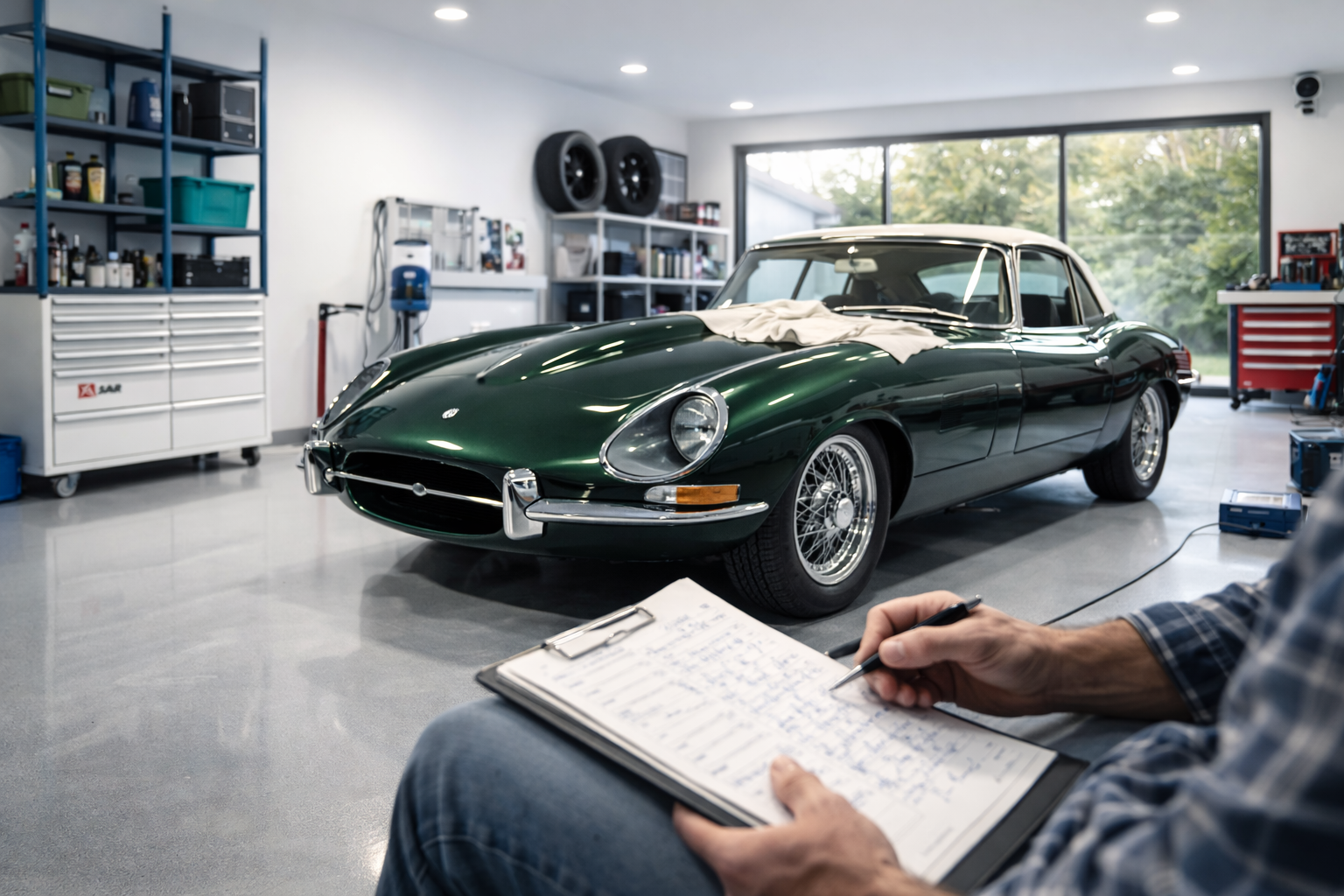
Classic Car Insurance: What Insurers Really Look For
As one of the UK’s leading classic car insurance brokers, we often speak to owners who believe their vehicle should qualify as a classic. And in many cases, they may be right, at least in an enthusiast sense.
But classic car insurance is not simply about whether a car looks and feels like a classic. Insurers apply specific criteria based not only on age, but on how the vehicle is used, stored, maintained, and valued. A car might be admired, rare, or well-loved, yet still not meet the requirements for a specialist policy if it remains part of everyday life.
The key question, then, is not “Is my car a classic?” but rather:
“Would an insurance company consider my car suitable for classic cover?”
Understanding that distinction is essential, especially for drivers hoping to benefit from the specialist features and pricing that classic car insurance can offer.
Is your car old enough and used like a classic?
Many vehicles now reach the fifteen or twenty-year mark, which is a common guide used by insurers and broadly reflects HMRC’s own minimum classic age criteria. But age alone does not guarantee eligibility for a classic car policy.
To insurers, the vehicle also needs a degree of collectability and a pattern of ownership that shows it has moved beyond daily use.
Many newer vehicles miss that mark because they remain part of routine travel, are still depreciating, and are not yet viewed as vehicles with historic or enthusiast appeal. You might feel your 2002 Mazda 6 is “a bit of a classic” on the school run… but you can probably see the issue.
Which leads us to the most important factor of all.
Does the way you use the car affect cover?
Usage is central to whether a car qualifies for classic insurance.
Classic policies are designed for cars driven for pleasure, not necessity. Insurers expect these vehicles to be:
used occasionally in fair weather
kept in secure storage or garaging
maintained carefully by an enthusiast owner
driven to shows, events or club meets
They are not intended for year-round mileage, commuting, or regular school-run duty.
Once a car reaches the point where it is driven because it is enjoyed rather than relied upon, its risk profile changes. That reduced risk is what makes specialist classic cover possible in the first place.
At Performance Direct, we understand that passion doesn’t always fit neatly into traditional policy rules. That’s why we offer specialist schemes for classic cars that are used more frequently, including vehicles that may not qualify for a standard classic car policy.
So even if your car’s usage falls outside the usual limits, specialist cover may still be available.
Why do insurers offer agreed value cover?
One of the most important benefits of classic insurance is agreed value and it is also something insurers only offer when a vehicle genuinely fits the classic category.
Standard motor insurance pays out based on the market value of the vehicle at the time of a claim. That figure can shift quickly, especially with older vehicles where values are shaped by rarity, restoration quality, and collector demand.
Without agreed value, a total loss could leave an owner with a payout that fails to reflect the car’s true worth, or the time and money invested in preserving it.
Agreed value removes that uncertainty. The insurer and owner work together to assess the vehicle using photographs, service history, club valuations, and evidence of similar sales. Once confirmed, that figure becomes the guaranteed payout if the car is stolen or written off.
This is a level of protection reserved for cars whose value is more stable and meaningful than everyday trade guides suggest, another reason why many newer vehicles do not qualify.
Does the driver matter as much as the car?
Finally, eligibility for classic car insurance is also about the driver.
The ideal classic customer behaves very differently from the average motorist. Insurers look favourably on drivers who:
keep mileage low
store the car securely
own another vehicle for daily use
treat the car as a hobby rather than transport
Claims data across the industry supports this. Classic policyholders tend to generate far fewer incidents, which allows insurers to offer flexible cover options such as laid-up insurance, limited mileage discounts, and protection for rare or specialist parts.
Premiums are often lower than standard motor rates, though this varies widely by model, driver history, and usage.
What other factors help a car qualify for classic insurance?
Beyond age, mileage and ownership, insurers may also consider additional signs that a vehicle has entered the classic category, such as:
Enthusiast ownership or club membership
Restoration work or careful originality
Limited production numbers or rarity
Growing collector demand
Increasing or stable market values
The wider classic market continues to evolve. Recent analysis showed a mild dip in global collector prices as higher interest rates cooled speculative buying.
Even so, standout examples continue to rise. Models such as the 1971 Lamborghini Miura SV have gained more than 30 percent in value over the past year — proving that scarcity and story still carry weight, even when the broader market pauses.
For insurers, these trends matter because they reinforce one key point: classic policies are designed for vehicles that are preserved, not simply ageing.
So, is your car suitable for a classic policy?
Classic cars are greatly loved in the UK, and enthusiasm remains high. But as will have become clear, insurers do not define a classic purely by age.
Care, rarity, purpose, and usage all shape the decision. A vehicle becomes suitable for classic cover when it is cherished and preserved rather than simply kept going.
Agreed value and specialist features then follow, because the insurer recognises the car as something different from everyday transport.
So while many models may reach “classic age” over time, they must also leave their working life behind before they can truly enter the world of classic insurance.
And, if you're an enthusiast who uses your car more often...
At Performance Direct, we know classic cars aren’t always just weekend toys. Many enthusiasts enjoy driving their classics more regularly, even day to day.
If your vehicle doesn’t fit a standard classic policy due to its usage, we’ve developed specialist schemes designed for more frequent classic driving.
Get a quote online today and we’ll help find the cover that suits you best.