


Driverless Car Anxiety vs Reality: What Actually Causes Most Crashes
Human Error and Road Accidents: The Data Behind the Debate
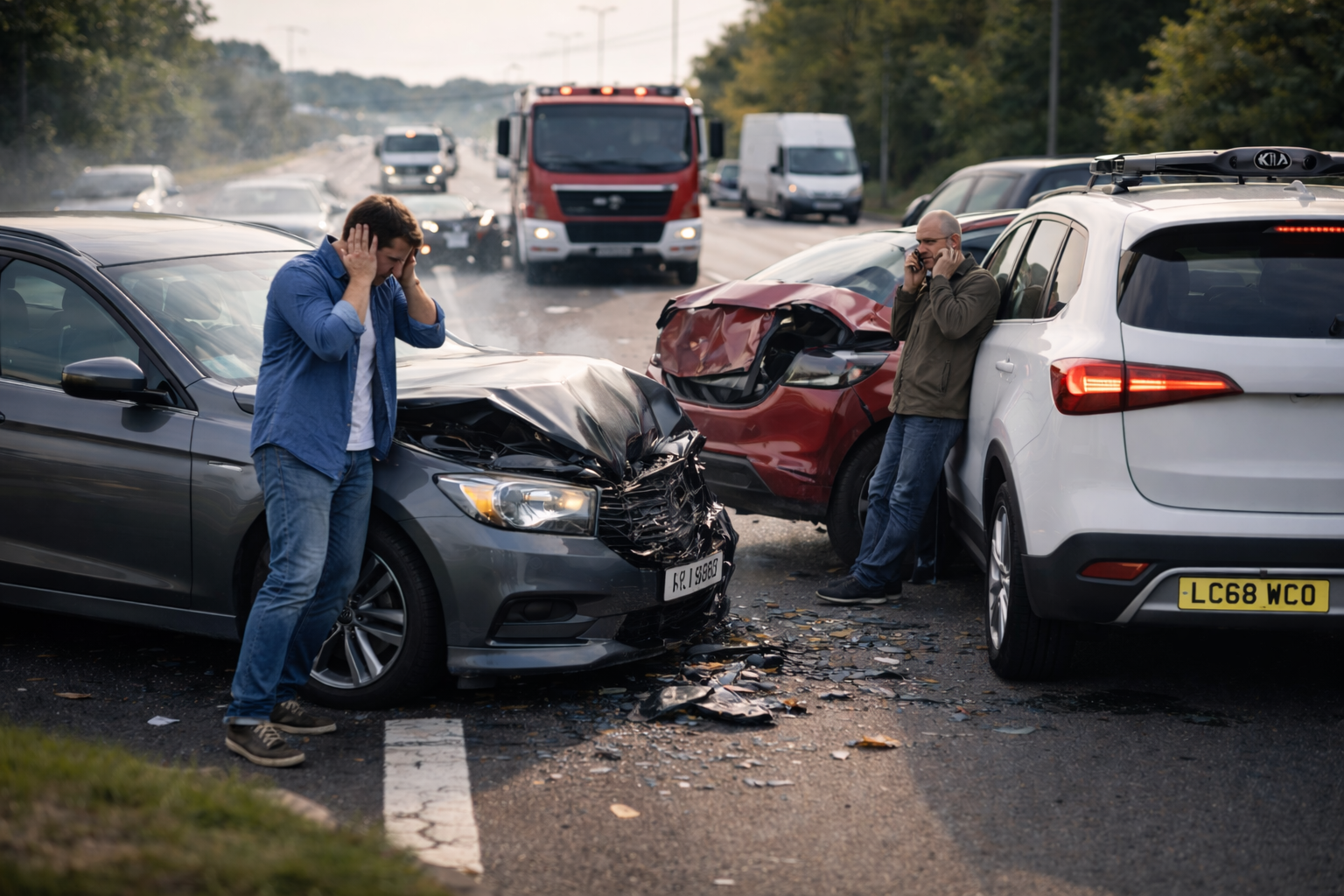
As autonomous driving technology becomes more visible on UK roads, debate continues over whether vehicles should really be trusted to drive themselves. But while attention focuses on the risks of technology, research suggests the greatest danger on today’s roads isn’t artificial intelligence... it’s human behaviour.
Extensive road safety studies consistently show that the overwhelming majority of collisions are linked to driver error rather than vehicle faults or environmental conditions. This raises an important question: are future vehicles being designed to solve a problem we’ve had all along?
What the Research Reveals About Human Error
Large-scale studies from international road safety authorities, including the US National Highway Traffic Safety Administration, indicate that around 94% of road accidents involve human error as a contributing factor.
This doesn’t mean technology is flawless. Autonomous systems still face challenges with unusual road layouts, poor weather, or temporary hazards. However, compared with human drivers, computers do not suffer fatigue, emotional responses or lapses in attention, factors that regularly contribute to collisions.
The Four Human Factors Behind Most Accidents
Safety research repeatedly identifies four behavioural patterns that play a major role in UK road incidents:
Complacency
Drivers on familiar routes often reduce active observation, assuming conditions will remain predictable. This “autopilot” mindset leaves little margin for sudden hazards.
Distraction
Mobile phones, in-car systems, passengers and notifications divide attention. Even brief distraction significantly increases reaction times.
Fatigue
Tired driving impairs judgement, coordination and awareness. Research suggests prolonged wakefulness can affect driving ability in ways comparable to alcohol.
Frustration
Stress, impatience and anger can push drivers into risky decisions such as tailgating or speeding through junctions.
Avoidable Mistakes Drivers Can Control Today
Until autonomous vehicles become widespread, many risks remain within drivers’ control. UK collision data frequently points to:
Failing to observe properly at junctions: Driving too fast for conditions rather than exceeding limits
Impairment from alcohol, drugs or medication: Over-correction or panic during emergency manoeuvre.
Modern driver-assistance systems aim to reduce these errors by maintaining consistent awareness and reaction times.
What This Means for the Future of Driving
The rise of automated and assisted driving isn’t just about convenience, it’s about addressing the limitations of human behaviour. While technology continues to develop, understanding and managing human risk remains central to road safety today.
At Performance Direct, we closely follow these developments to ensure drivers remain properly protected as motoring evolves, whether driving classic vehicles, performance cars or the latest technology-assisted models.